
2025 401k Contribution Limits
Good news for retirement savers! The Internal Revenue Service (IRS) has announced that the 2025 401k contribution limits will increase to $23,500. This represents a $500 increase from the 2024 limit. What does this mean for you? Higher Contribution Limits: You can now contribute more to your 401k plan, helping you save more for retirement.… Continue reading 2025 401k Contribution Limits

DOL Increases Minimum Salary for Exempt Employees
The U.S. Department of Labor (DOL) has set increases to the minimum salary for many exempt employees. This is a significant change that will impact businesses nationwide. Here’s a breakdown of what you need to know: The Increase: New Salary Thresholds for Exempt Employees The new rule implements a two-step increase for exempt executive, administrative,… Continue reading DOL Increases Minimum Salary for Exempt Employees
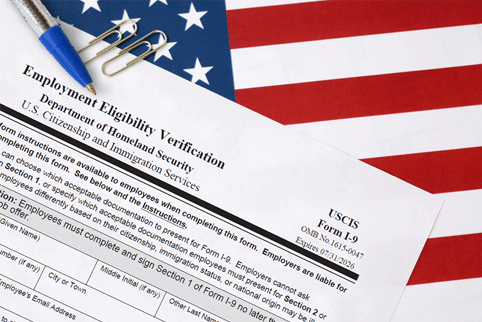
New I-9 Rules for 2024: Everything Employers Need to Know
The Internal Revenue Service (IRS) has released a new version of Form I-9, Employment Eligibility Verification, which will be required for all new hires starting in 2024. The new form includes some important changes that employers need to be aware of. Review the new I-9 rules for 2024 below. New E-Verify Checkbox The new Form… Continue reading New I-9 Rules for 2024: Everything Employers Need to Know

Should You Pay an Employee Who Resigns With Two Weeks Notice?
When one of your employees puts in their two-week notice, they may think that the heads-up time they’re giving you is doing you a favor. While the extra time to prepare for their departure can certainly help, you can run into some big-time HR and Payroll headaches – especially if you aren’t aware of some… Continue reading Should You Pay an Employee Who Resigns With Two Weeks Notice?

How Easy is it to Outsource Your Payroll?
The decision to outsource your payroll can seem like a difficult one, but it’s well worth it. Not only will outsourcing your payroll to Capital Payroll Partners save you untold amounts of time, but you’ll also be ensuring that your business is compliant with ever-changing regulations. Through talking to our many clients over the years,… Continue reading How Easy is it to Outsource Your Payroll?

Why Choosing a Local Payroll Provider for your Business?
Large businesses of 500+ employees are typically able to have their own, in-house payroll department, or have big money deals in place with the payroll giants to handle it for them. But the vast majority of small and medium businesses are not able to fund their own payroll department (complete with salaries, benefits, insurance, etc… Continue reading Why Choosing a Local Payroll Provider for your Business?

Paperless Payroll for Employers: Benefits & How to Switch
Paperless payroll is, as the name implies, a paper-free (digital) payroll fulfillment process that has gained a massive amount of popularity in recent years, which was accelerated by the pandemic. There are tons of benefits to switching away from the traditional payroll process – benefits which we’ll list below! Keep reading… The Benefits Of Paperless… Continue reading Paperless Payroll for Employers: Benefits & How to Switch

14 Important Payroll Terms You Should Know
Regardless of your level of involvement in payroll, there are certain terms that you should know. Below is a roundup of words that are commonly used in the payroll industry. After-tax deductions These deductions are subtracted from employees’ wages after pretax deductions and payroll taxes have been taken out. After-tax deductions — such as wage… Continue reading 14 Important Payroll Terms You Should Know

7 Key Aspects of Payroll Compliance
Payroll compliance is about meeting your obligations as required by law, which can be confusing and complex. Here are 7 key aspects of payroll compliance. 1. Federal wage and hour laws The Fair Labor Standards Act (FLSA) sets federal wage and hour standards, which are administered by the U.S. Department of Labor. These standards cover:… Continue reading 7 Key Aspects of Payroll Compliance

Employment Records Retention: What Are the Federal Laws?
How long do you have to keep records? There’s no one answer. However, we’ve summarized some of the most common federal laws relevant to employment record-keeping. Note that applicability may vary by employer size. Title VII of the Civil Rights Act of 1964 Resumes. Job applications. Job advertisements and postings. Interview notes. Preemployment screening tests… Continue reading Employment Records Retention: What Are the Federal Laws?